

Xanax (alprazolam) is one of the most well-known prescription medications used to treat anxiety disorders, but it is also one of the most frequently misunderstood. While it can provide rapid relief for people experiencing severe anxiety or panic attacks, it also carries significant risks, especially when used improperly. Understanding how Xanax works, its benefits, potential side effects, and safer long-term treatment options is essential for anyone considering or currently taking this medication.
What Is Xanax (alprazolam)?
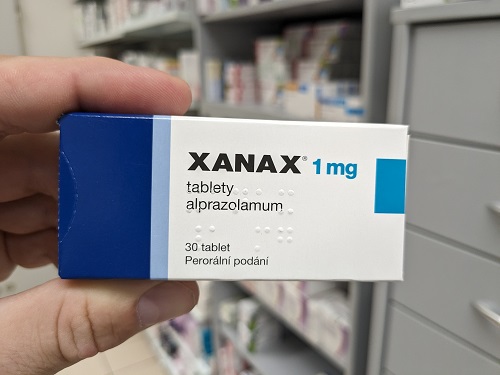
Xanax is the brand name for alprazolam, a medication that belongs to a class of drugs called benzodiazepines. It works by enhancing the activity of gamma-aminobutyric acid (GABA), a neurotransmitter that helps calm activity in the brain and nervous system.
- Generalized anxiety disorder (GAD)
- Panic disorder
- Short-term anxiety symptoms
- Anxiety associated with certain medical conditions (in some cases)
Because it begins working relatively quickly—often within an hour—it is particularly effective for acute anxiety episodes.
How Xanax (alprazolam) Works
When a person experiences anxiety, the brain may become overly active.
- Reduced feelings of anxiety
- Relaxation
- Decreased panic symptoms
- Improved ability to cope during acute episodes
Although these effects can be beneficial,
Common Side Effects of Xanax (alprazolam)
Like all medications,
- Drowsiness
- Dizziness
- Fatigue
- Difficulty concentrating
- Slowed reaction time
- Problems with coordination
These effects can impair driving, operating machinery, and performing tasks that require alertness.
Important Risks of Xanax (alprazolam)
Dependence and Tolerance
Regular use can lead to physical dependence. Over time, some people develop tolerance, meaning they may require higher doses to achieve the same effect. Because of this, healthcare providers often prescribe Xanax for the shortest duration necessary.
Withdrawal
- Increased anxiety
- Insomnia
- Tremors
- Sweating
- Irritability
- Seizures in severe cases
Anyone wishing to stop taking Xanax should do so only under medical supervision with a gradual tapering plan.
Misuse
Because Xanax produces calming effects, it has the potential for misuse. Taking larger doses than prescribed, combining it with alcohol, or using someone else’s prescription can be dangerous and may lead to overdose.
Drug Interactions
Xanax can interact with many medications and substances, particularly those that also depress the central nervous system. Combining Xanax with alcohol, opioids, or certain sleep medications can significantly increase the risk of excessive sedation, breathing problems, and overdose.
Patients should always inform their healthcare provider about all medications, supplements, and herbal products they are taking.
Safer Long-Term Approaches to Anxiety
Although Xanax may be appropriate for short-term symptom relief, many experts recommend combining or transitioning to longer-term anxiety treatments when appropriate. These may include:
- Cognitive behavioral therapy (CBT)
- Regular physical exercise
- Stress management techniques
- Mindfulness and meditation
- Adequate sleep
- Selective serotonin reuptake inhibitors (SSRIs) or other medications prescribed for long-term anxiety management
These approaches can help reduce anxiety while avoiding many of the risks associated with long-term benzodiazepine use.
When to Talk to a Healthcare Provider
Anyone experiencing persistent anxiety, panic attacks, or emotional distress should consult a qualified healthcare professional. They can determine whether Xanax is appropriate, discuss alternative treatments, and develop a personalized care plan based on individual needs and medical history.
Final Thoughts
Xanax can be an effective medication for managing severe anxiety and panic symptoms when used exactly as prescribed. However, it is not without risks. Dependence, withdrawal, and potential interactions make it a medication that requires careful medical supervision.
For many people, the most successful long-term management of anxiety involves a combination of therapy, healthy lifestyle changes, and, when appropriate, medications tailored to their individual circumstances. Understanding both the benefits and limitations of Xanax helps patients make informed decisions in partnership with their healthcare providers.