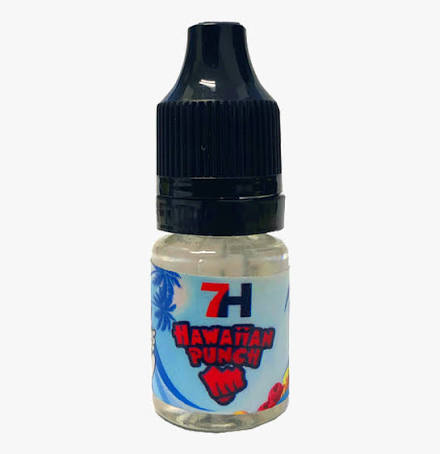

7H Liquid Herbal Incense: What You Should Know
Products marketed under names such as 7H Liquid Herbal Incense are often associated with synthetic cannabinoids. These laboratory-produced chemicals are designed to interact with cannabinoid receptors in the brain, but they can produce effects that are much stronger and less predictable than naturally occurring cannabis compounds.
Although these products are frequently labeled as “liquid herbal incense” or “not for human consumption,” health authorities have linked many synthetic cannabinoid products to serious poisonings.
What Are Synthetic Cannabinoids?
Synthetic cannabinoids are manufactured chemicals created to mimic some of the effects of THC, the primary psychoactive compound in cannabis.
Unlike regulated consumer products, the exact ingredients are often unknown or may change from one production batch to another. As a result, consumers cannot reliably determine what a product contains based on its packaging or branding.
Potential Health Risks
Also Health agencies have reported a wide range of adverse reactions associated with synthetic cannabinoids, including:
- Rapid heart rate
- Elevated blood pressure
- Severe anxiety
- Panic attacks
- Hallucinations
- Confusion
- Aggressive behavior
- Seizures
- Kidney injury
- Loss of consciousness
While Because the chemical composition can vary significantly between batches, the effects are often unpredictable.
Why Ingredient Transparency Matters
One of the most significant concerns surrounding products marketed as liquid herbal incense is the lack of consistent ingredient disclosure.
Independent laboratory testing has shown that products sold under the same name may contain different synthetic chemicals over time. This inconsistency makes it difficult for consumers and healthcare professionals to accurately assess potential risks.
Understanding Product Labels
Some products feature colorful packaging, vague ingredient lists, or labels stating “Not for Human Consumption.
Consumers should be cautious of products that:
- Additionally Do not clearly identify their ingredients.
- Lack quality assurance or laboratory testing.
- Make unsupported marketing claims.
- Provide limited manufacturer information.
Legal Considerations
Because manufacturers sometimes modify chemical formulations, legal status may vary depending on local laws and the specific substances involved.
Anyone seeking information should consult current regulations within their jurisdiction.
Frequently Asked Questions
Is 7H Liquid Herbal Incense natural?
Products sold under this name may contain synthetic chemicals rather than naturally occurring plant compounds. Packaging alone cannot confirm the ingredients.
Is it the same as cannabis?
Can consumers identify ingredients from the label?
Not reliably. Independent testing has shown that ingredient lists may be incomplete or may not reflect the actual contents.
Conclusion
Products marketed as 7H Liquid Herbal Incense highlight the broader concerns associated with synthetic cannabinoids: inconsistent ingredients, uncertain potency, and significant health risks. Staying informed about these products and understanding the warning signs can help consumers make safer, more informed decisions.
Suggested SEO Keywords: 7H Liquid Herbal Incense, synthetic cannabinoids, herbal incense risks, liquid incense safety, synthetic cannabis, Spice dangers, K2 awareness, consumer safety, public health, poison prevention, synthetic cannabinoid effects, drug awareness, legal highs, recognizing synthetic cannabinoid products, health risks of synthetic cannabinoids.