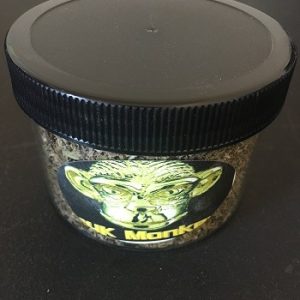

K2 Black Lion Herbal Incense: Understanding the Risks
K2 Black Lion Herbal Incense is one of many brand names associated with products marketed as “herbal incense” that have historically been found to contain synthetic cannabinoids. Despite the packaging and branding, these products are not the same as natural cannabis and have been linked to unpredictable and sometimes life-threatening health effects.
Across Europe, health agencies continue to warn consumers that synthetic cannabinoid products can vary significantly from one package to another, making their effects impossible to predict.
What Is K2 Black Lion Herbal Incense?
Products sold under names such as K2, Spice, Black Lion, and similar brands are often marketed as herbal blends or incense. However, investigations have shown that many of these products contain laboratory-made chemicals designed to activate the same brain receptors as THC, the psychoactive compound found in cannabis.
Unlike regulated medicines, the ingredients and concentrations in these products are often unknown and may change without notice.
Why Are Synthetic Cannabinoids Dangerous?
Synthetic cannabinoids can be considerably more potent than THC. Reported adverse effects include:
- Rapid heart rate
- High blood pressure
- Anxiety and panic attacks
- Hallucinations
- Aggressive or erratic behaviour
- Seizures
- Loss of consciousness
- Kidney injury
- Death in severe cases
Medical experts emphasize that the strength and composition of these products are highly unpredictable, increasing the risk of poisoning.
The Situation in Europe
European authorities have monitored synthetic cannabinoids since 2008 through the EU Early Warning System. Hundreds of different synthetic cannabinoids have appeared on the European drug market, with manufacturers frequently changing ingredients to evade legal controls.
Many European countries have introduced legislation banning numerous synthetic cannabinoid compounds, and authorities continue to identify new substances each year.
Why Product Names Can Be Misleading
Brand names such as “Black Lion” do not reliably indicate what chemicals are inside a package.
Research has found that:
- Ingredients can differ between batches.
- Two products with identical packaging may contain different substances.
- Concentrations may vary widely.
- Labels often fail to identify the active chemicals.
This inconsistency is one of the reasons these products present significant public health risks.
Health Advice
If someone experiences severe symptoms after exposure to a suspected synthetic cannabinoid product, such as chest pain, seizures, difficulty breathing, extreme agitation, or loss of consciousness, seek emergency medical assistance immediately.
Healthcare providers recommend avoiding products marketed as herbal incense, legal highs, or synthetic cannabis because there is no reliable way to determine their contents or potency.
Frequently Asked Questions
Is K2 Black Lion the same as cannabis?
No. Synthetic cannabinoids are different chemicals that act on similar receptors but can produce much stronger and less predictable effects.
Is K2 Black Lion legal in Europe?
Many synthetic cannabinoids are controlled under European and national laws. The legal status varies by country and by the specific chemical involved, but numerous substances commonly found in these products are prohibited.
Why are these products considered high risk?
Because manufacturers frequently alter ingredients and there is little consistency between batches, users cannot reliably know what chemicals or doses they are being exposed to.
Final Thoughts
K2 Black Lion Herbal Incense represents a category of products associated with synthetic cannabinoids rather than a standardized product with known ingredients. Public health authorities throughout Europe advise against their use because of the significant risks associated with unpredictable composition, high potency, and serious adverse health effects.
Anyone seeking information about synthetic cannabinoids should rely on trusted medical and public health sources rather than product marketing or online claims.