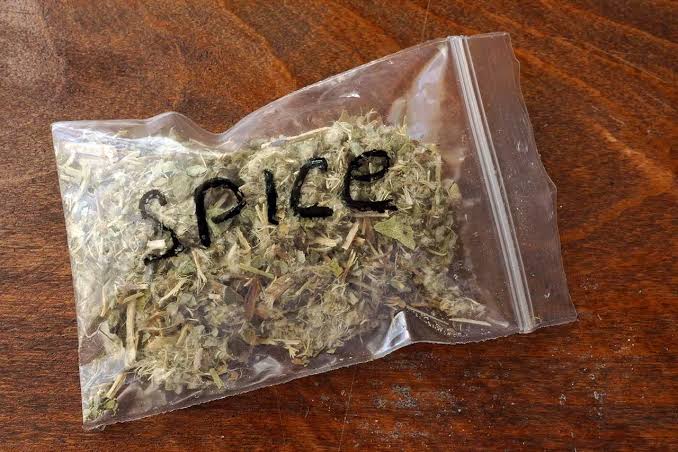

K2 Panic Herbal Spice: What You Need to Know About Synthetic Cannabinoids in Europe (2026 Guide)
Meta Title: K2 Panic Herbal Spice: Risks, Effects & European Laws (2026)
Meta Description: Learn what K2 Panic Herbal Spice is, why synthetic cannabinoids are dangerous, their health risks, and how Europe regulates these substances in 2026.
K2 Panic Herbal Spice: Understanding the Risks of Synthetic Cannabinoids
Products sold under names such as K2 Panic Herbal Spice are often associated with synthetic cannabinoids, a class of laboratory-made chemicals designed to interact with the same brain receptors as THC, the primary psychoactive component of cannabis. Despite being marketed as “herbal incense” or similar products, these products may contain potent synthetic compounds rather than natural cannabis.
Across Europe, health authorities continue to monitor synthetic cannabinoids because their chemical composition changes frequently, making them difficult to identify and increasing the risks for users.
What Is K2 Panic Herbal Spice?
is a brand name that has been used in connection with products marketed as herbal incense. The name itself does not reliably indicate what chemicals are inside. Independent testing of products sold under similar branding has found that the contents can vary significantly between batches, sometimes containing entirely different synthetic cannabinoids.
Why Are Synthetic Cannabinoids Dangerous?
Unlike regulated medicines, synthetic cannabinoid products often contain unknown chemicals in unpredictable concentrations.
Potential adverse effects include:
- Rapid heartbeat
- Severe anxiety and panic attacks
- Confusion
- Hallucinations
- Aggressive behavior
- Seizures
- Vomiting
- Loss of consciousness
- Kidney injury in some reported cases
Researchers have found that many synthetic cannabinoids bind much more strongly to cannabinoid receptors than THC, increasing the risk of severe toxicity.
Synthetic Cannabinoids in Europe
European drug monitoring agencies have identified hundreds of synthetic cannabinoids since these products first appeared on the market. Manufacturers often change the chemical ingredients to evade drug controls, making monitoring and public health responses challenging.
Many European countries prohibit numerous synthetic cannabinoids, although the exact legal status varies depending on the specific substance and national legislation.
Why Product Labels Cannot Be Trusted
Packaging for products sold as herbal incense or under brand names like K2 or Spice may appear professional, but labels frequently do not accurately describe the contents. Testing has shown that products with the same name may contain different chemicals over time or across batches.
Public Health Advice
If someone experiences severe symptoms after using a suspected synthetic cannabinoid product, seek emergency medical assistance immediately. Healthcare providers should be informed that a synthetic cannabinoid may have been involved, as this can help guide treatment.
Frequently Asked Questions
Is K2 Panic Herbal Spice natural?
Products marketed under this type of branding often contain laboratory-made synthetic cannabinoids rather than natural cannabis.
Are synthetic cannabinoids legal in Europe?
Many are controlled or prohibited, but laws differ between countries and new substances continue to emerge.
Are synthetic cannabinoids safer than cannabis?
No. Health authorities have linked synthetic cannabinoids with serious poisonings, hospitalizations, and deaths, and their effects can be far less predictable than cannabis.
Conclusion
whose composition and potency can vary widely. European authorities continue to monitor these substances because of their unpredictable effects and significant health risks. Staying informed and avoiding products with unknown ingredients is the safest approach.